
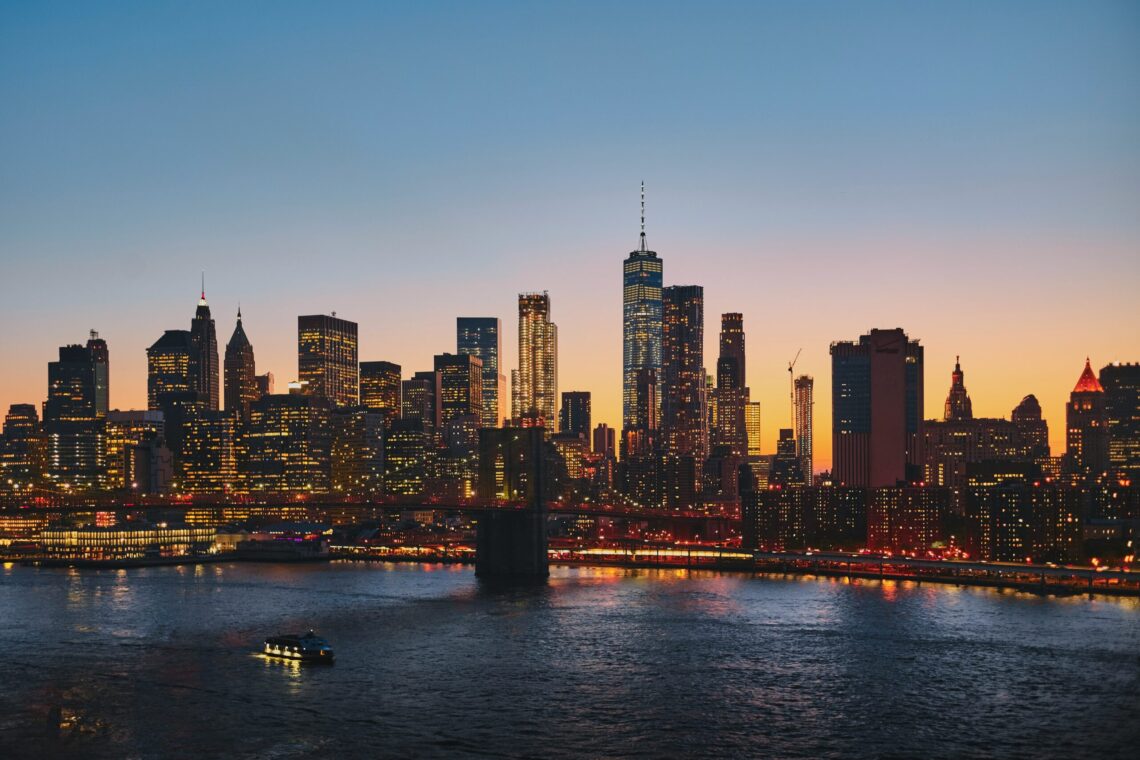
New York doesn't do subtle. Seven days is enough time to fall for the city properly - the skyline at golden hour, the neighborhood you didn't plan to love, the bagel you'll think about for months. Here's how to spend a week doing it right.
Day 1 - Arrival & Midtown
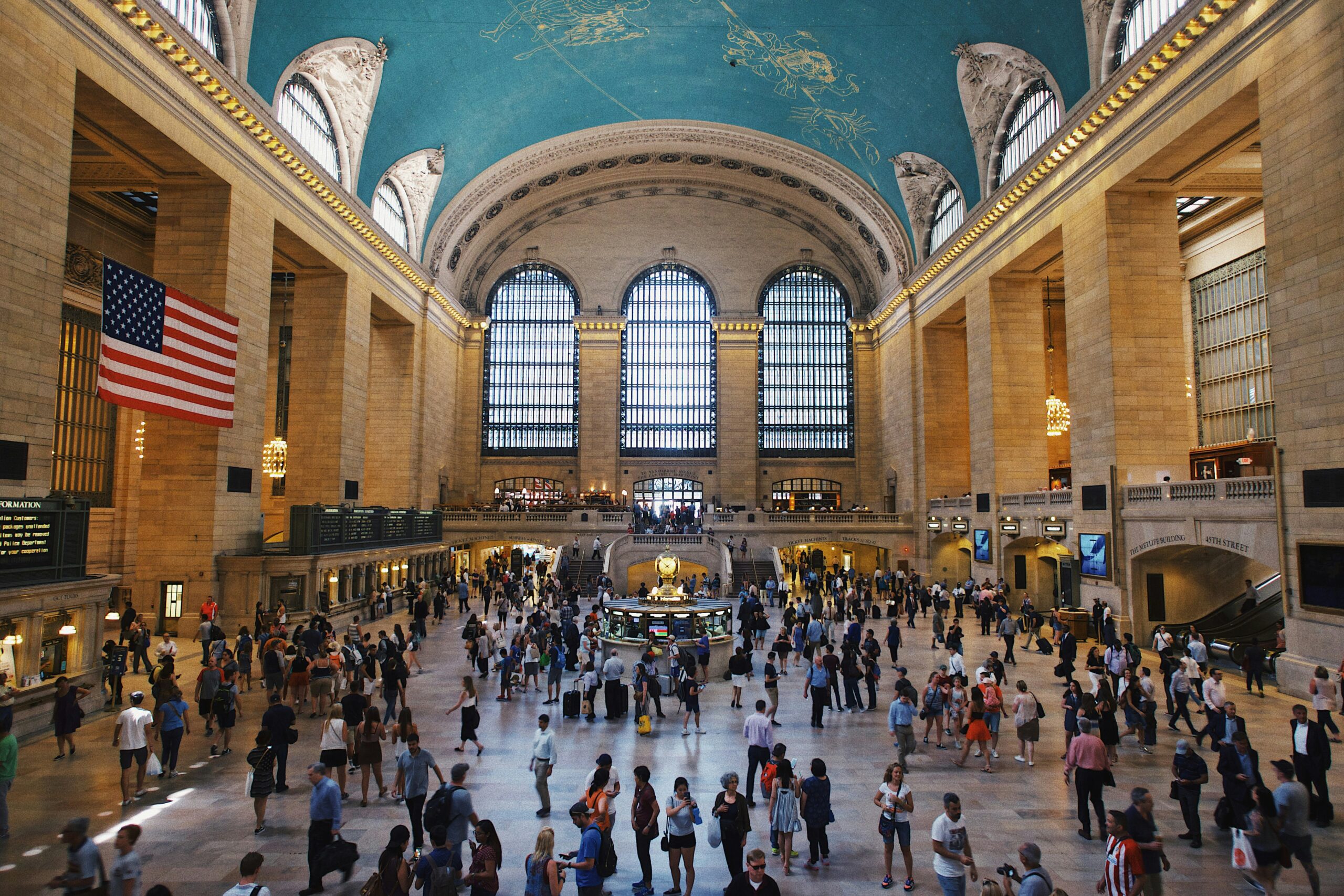
Land, drop your bags, and give yourself permission to do nothing more than walk today. Start at Bryant Park, grab a coffee, sit on the lawn if the weather allows, and let the jet lag settle. From there, walk to Grand Central Terminal: the main concourse, with its celestial ceiling and shaft of afternoon light, is worth ten minutes even if you're not catching a train. Wander down Fifth Avenue toward the flagship stores if window shopping is your thing, then time your evening for Top of the Rock (book the sunset slot if you can). Unlike the Empire State Building's own observation deck, Top of the Rock gives you the Empire State itself in the frame, lit up against the rest of the skyline. End the night with a slow dinner nearby, you don't need to go far on day one.
Day 2 - Museums & Central Park
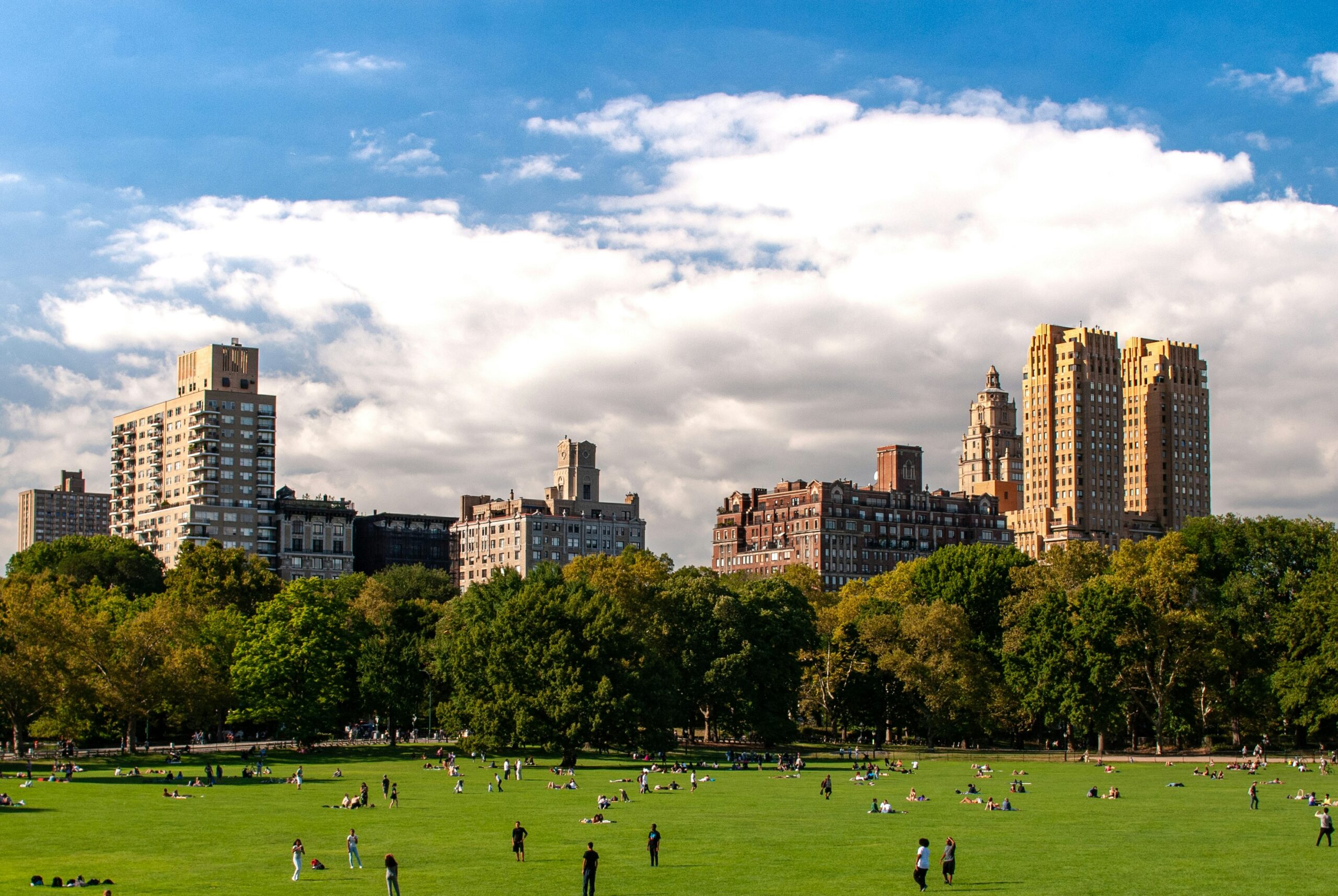
Arrive at the Met when it opens to beat the crowds, even two hours barely scratches the surface, so pick two or three wings rather than trying to see everything. From the museum steps, cross straight into Central Park. Walk the Mall's elm-lined path toward Bethesda Terrace and Fountain, then cross Bow Bridge for the view back toward the water. If it's a clear day, rent a rowboat at Loeb Boathouse for twenty minutes, it's touristy, but worth it anyway. By late afternoon, if you still have energy, the Museum of Natural History sits at the park's western edge and pairs naturally with a stroll through the Upper West Side afterward.
Day 3 - SoHo & Greenwich Village
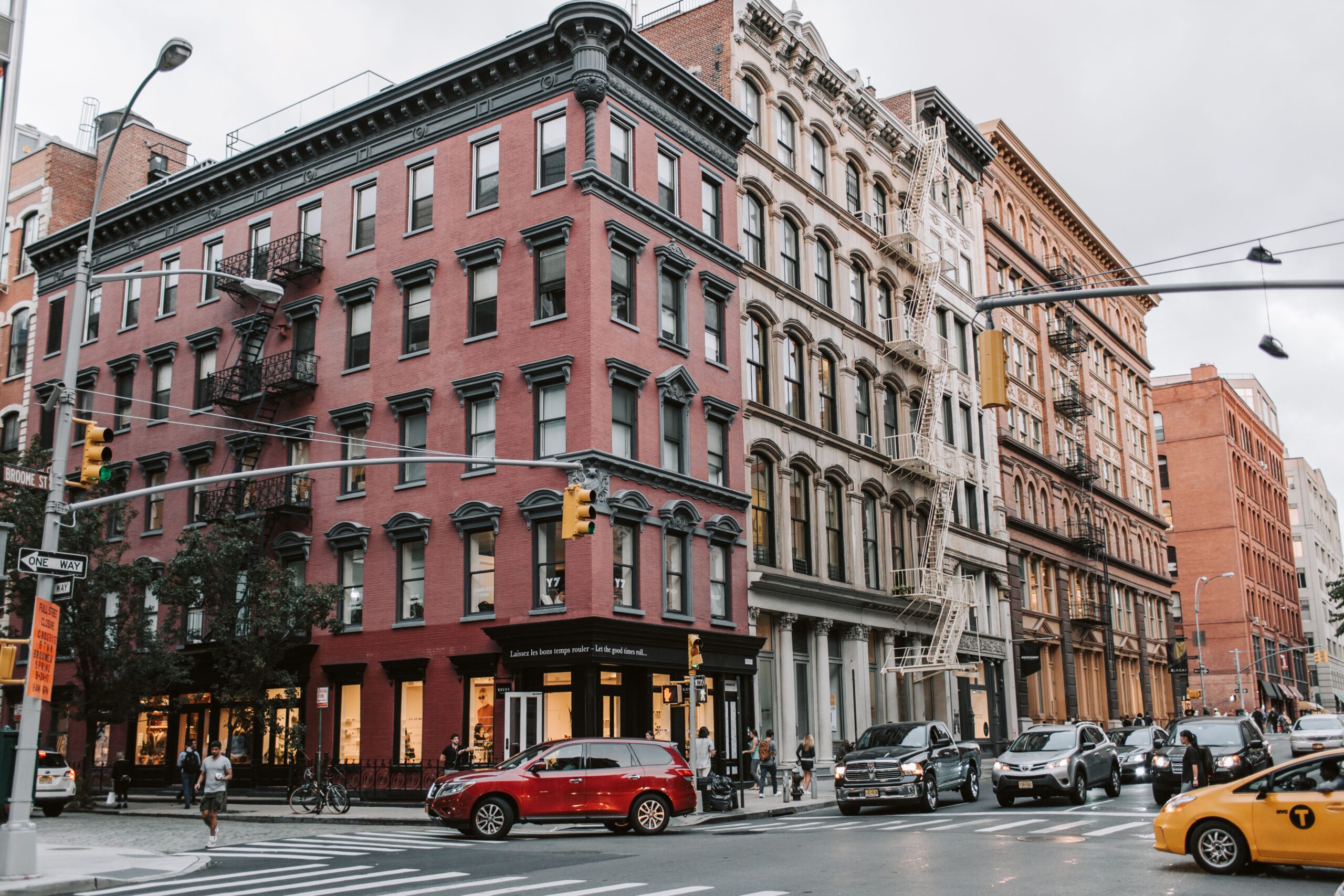
This is the day to walk without a plan. Start in SoHo among the cast-iron facades on Broome and Spring Street, ducking into whichever boutique catches your eye, this neighborhood rewards browsing more than any checklist. Head south and west into the West Village, where the streets stop following a grid and start feeling residential in the best way: Bleecker Street, Christopher Street, and the tree-lined blocks around Perry Street are made for slow walking. Stop for coffee somewhere without a line out the door, the West Village has dozens of quiet options the tourist guides skip. End at Washington Square Park, where street performers and NYU students give the day a natural close.
Day 4 - Brooklyn
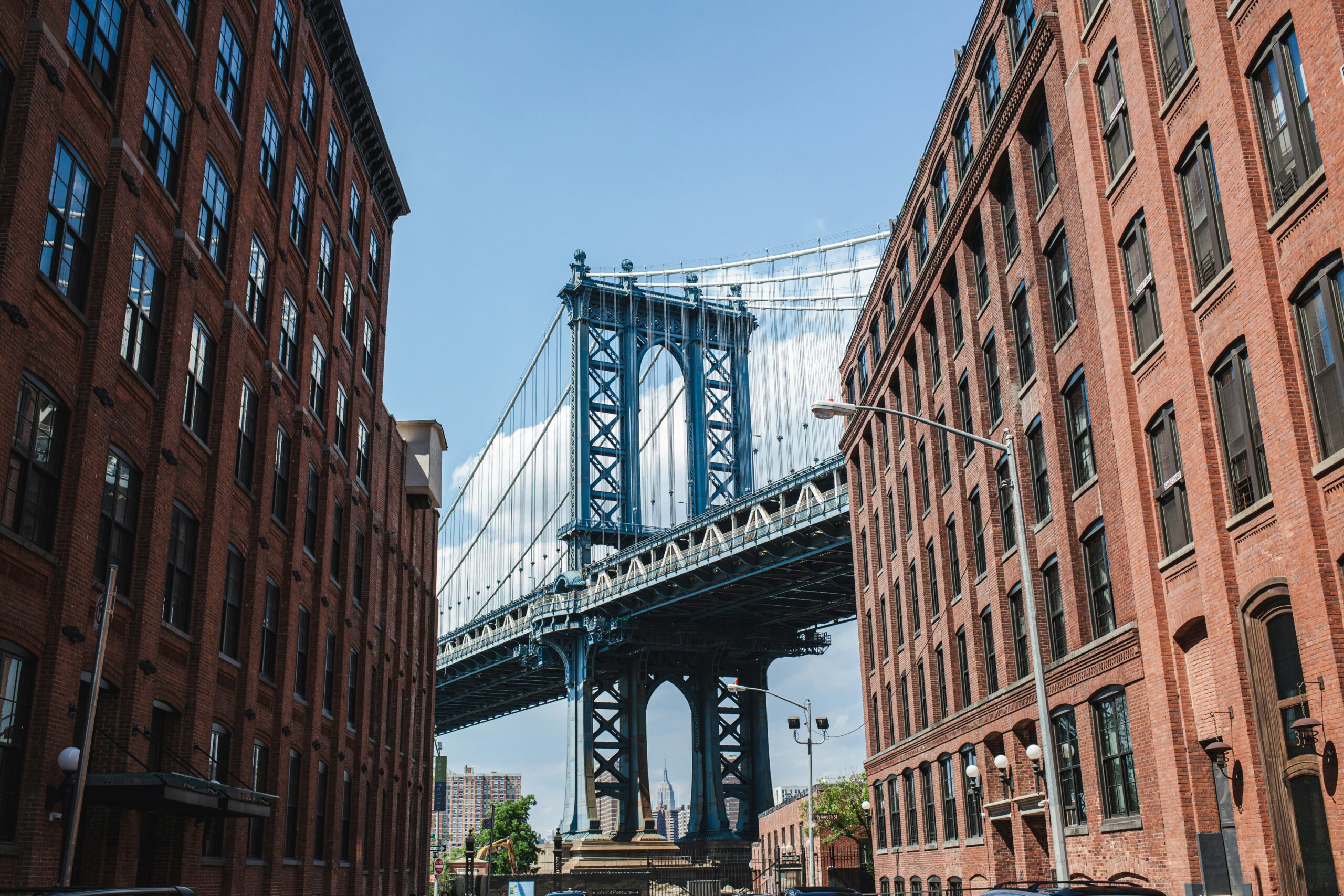
Cross the Brooklyn Bridge on foot, ideally before 9am - the pedestrian path gets crowded fast, and morning light on the cables is the best version of this walk. On the other side, DUMBO's cobblestone streets and the view of the Manhattan Bridge framed between buildings (yes, that view) are worth the short detour before continuing to Brooklyn Heights Promenade, which arguably has the better skyline view of the two boroughs. Spend the afternoon in Williamsburg: Bedford Avenue for shopping, the waterfront park for a break, and, if you time it right, a rooftop bar as the sun starts to set over Manhattan.
Day 5 - Downtown & The Financial District
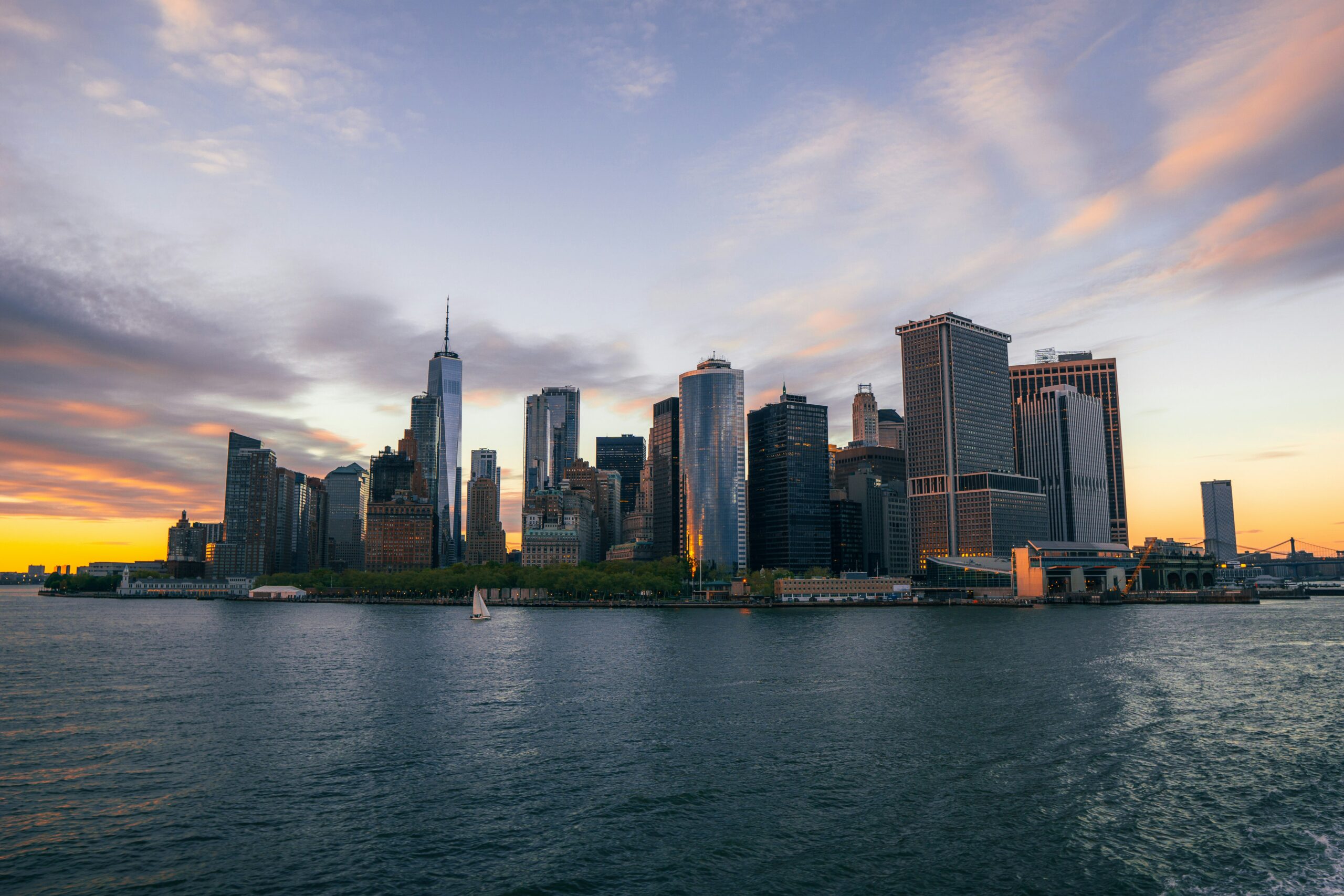
Start at the 9/11 Memorial early, before the plazas fill up, the reflecting pools are more affecting with fewer people around them. From there, walk through the Financial District's older streets: Wall Street itself is narrower and less impressive than photos suggest, but the surrounding blocks (Stone Street especially) have real character. Catch the free Staten Island Ferry from the terminal nearby, it passes directly by the Statue of Liberty and Ellis Island, no ticket or tour required, and the round trip takes about an hour. Save any real Liberty Island visit for a separate day if you want to actually go ashore, the ferry view is enough for most people.
Day 6 - Chelsea & The High Line
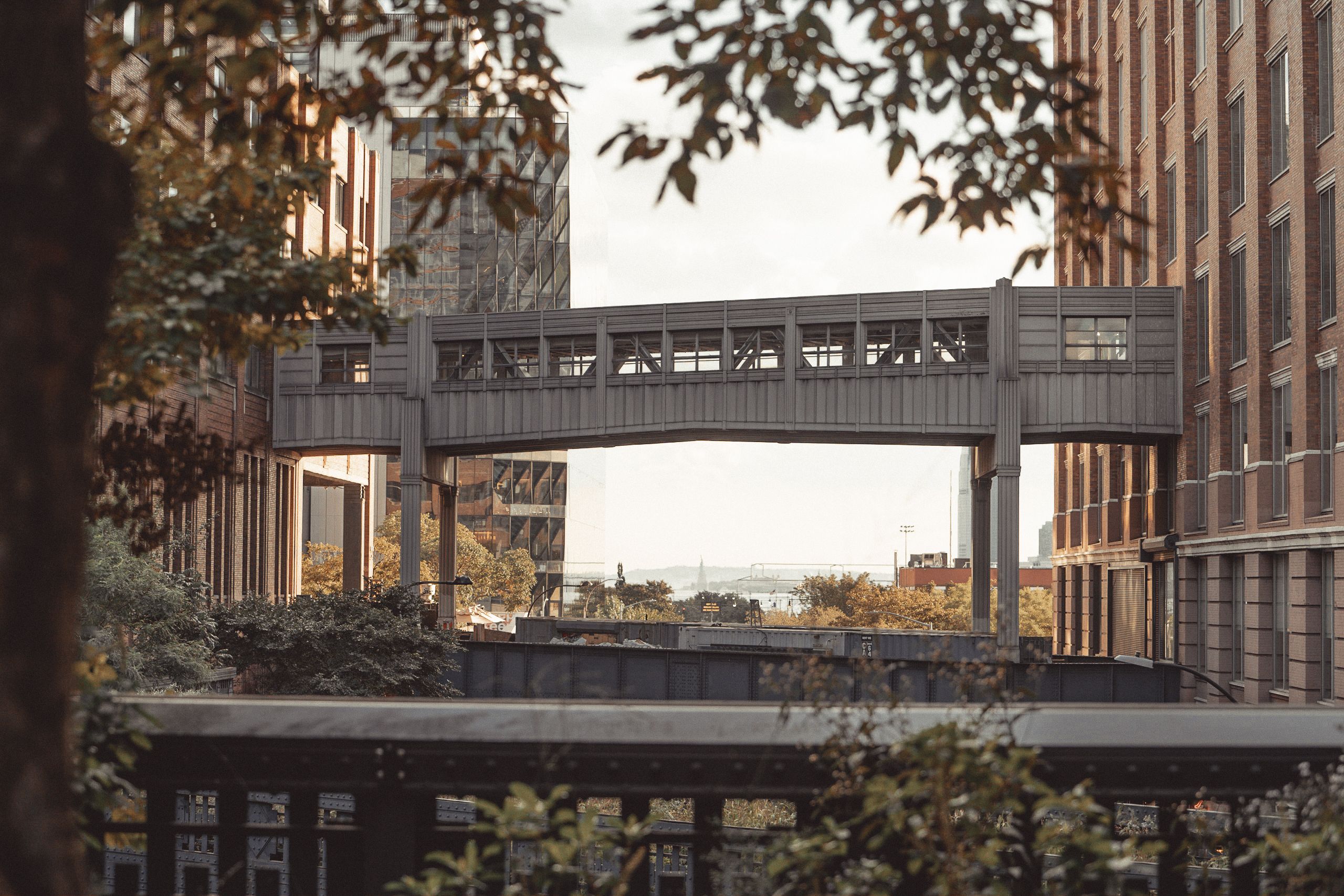
Walk the High Line end to end, starting from Gansevoort Street and finishing near Hudson Yards. It's elevated, so you get a different angle on the city than street level, plus rotating public art along the way. Detour into Chelsea Market partway through for lunch, it's crowded but the food hall format means you can actually get a table. If contemporary art interests you, the surrounding gallery district (roughly W 20th–29th Streets) has dozens of free-to-enter spaces worth ducking into. Finish at Hudson Yards if you want one more skyline view.
Day 7 - Last Looks
Keep this day deliberately light. Return to whichever neighborhood surprised you most - most people find themselves drawn back to the West Village, Williamsburg, or wherever they had that one good coffee. Leave real buffer time before your flight: New York traffic to the airports is unpredictable regardless of time of day, and security lines can run long during peak hours. A slow last morning is better than a rushed one.
Where to Stay
Where you stay shapes the whole trip, so it's worth a proper look before booking.
Midtown puts you within walking distance of the biggest sights - Times Square, Bryant Park, Fifth Avenue - but it's the loudest, most tourist-heavy option, and prices reflect that. Good for a first visit if proximity matters more than atmosphere.
Brooklyn, especially Williamsburg or Greenpoint, offers noticeably better value, a more local feel, and easy subway access back into Manhattan (15–25 minutes depending on the line). The trade-off is a slightly longer commute to major sights, which is a fair swap for most travelers.
The West Village or Chelsea sit in between. They are quieter and more residential than Midtown, still centrally located, but typically priced higher than Brooklyn.
The Upper West Side is a good option if Central Park and the museums are your priority, being residential, calm in the evenings, and well-connected by subway.
For a first-time week-long trip, Brooklyn or the West Village tend to offer the best balance of atmosphere, value, and access.
Getting Around
From the airport: JFK connects to Manhattan via the AirTrain + subway (cheapest, slower) or a taxi/rideshare (faster, flat-rate taxi fare to Manhattan). LaGuardia has unfortunately no direct subway link - a taxi, rideshare, or the Q70 bus to the subway are your main options.
Around the city: Buy a 7-Day Unlimited MetroCard (or tap in with a contactless card/phone) as soon as you arrive. It pays for itself by day three of regular use. The subway is faster than it looks once you get the hang of express vs. local trains, but don't underestimate walking, many Manhattan distances that look far on a map are a 15–20 minute walk, often faster door-to-door than waiting for a train.
A few practical notes: Download the MTA app or Citymapper for real-time routing, both are more reliable than Google Maps for subway delays. Rideshares are widely available but surge-priced heavily during rain or rush hour. Avoid driving yourself entirely, parking being expensive and often harder to find than the destination itself.
