
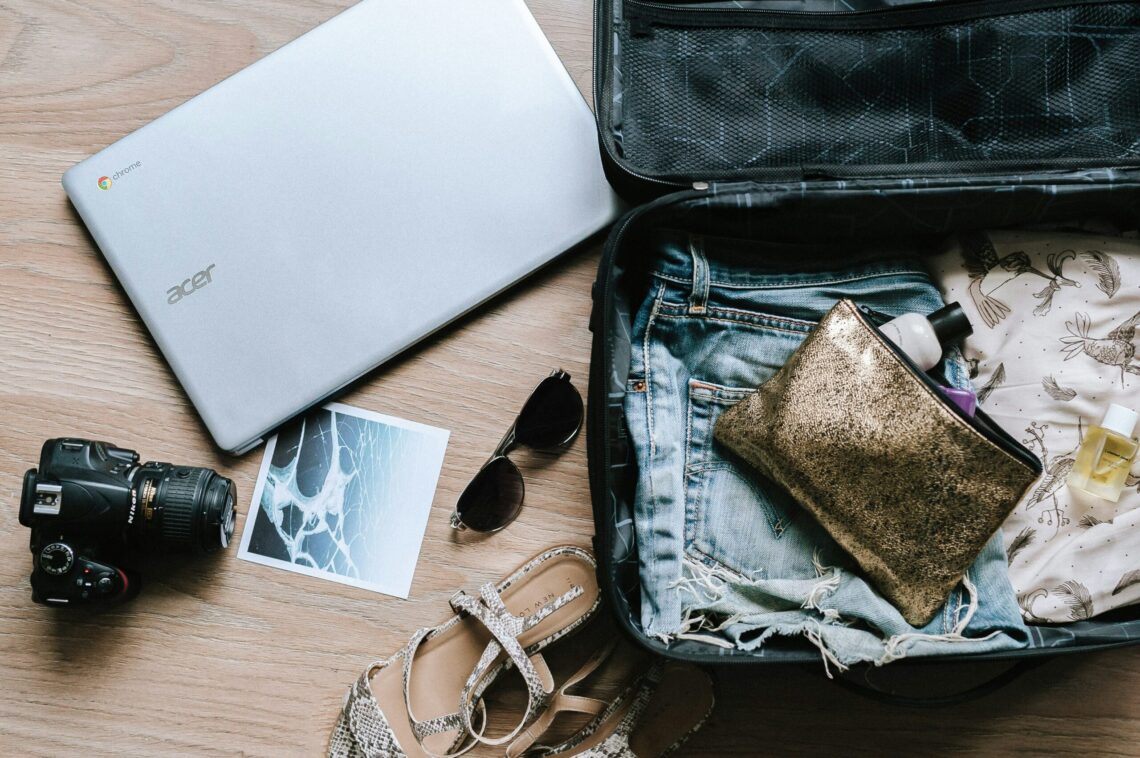
A carry-on-only trip isn't about deprivation. It's about packing with intention. Skip the checked bag, skip the baggage claim anxiety, and actually enjoy the parts of travel that don't involve a conveyor belt. The principles below work whether you're gone for a weekend or two weeks; the difference is in the details, not the philosophy. Here's how to fit everything you need into one bag, without leaving anything you'll actually miss.
Choosing Your Bag
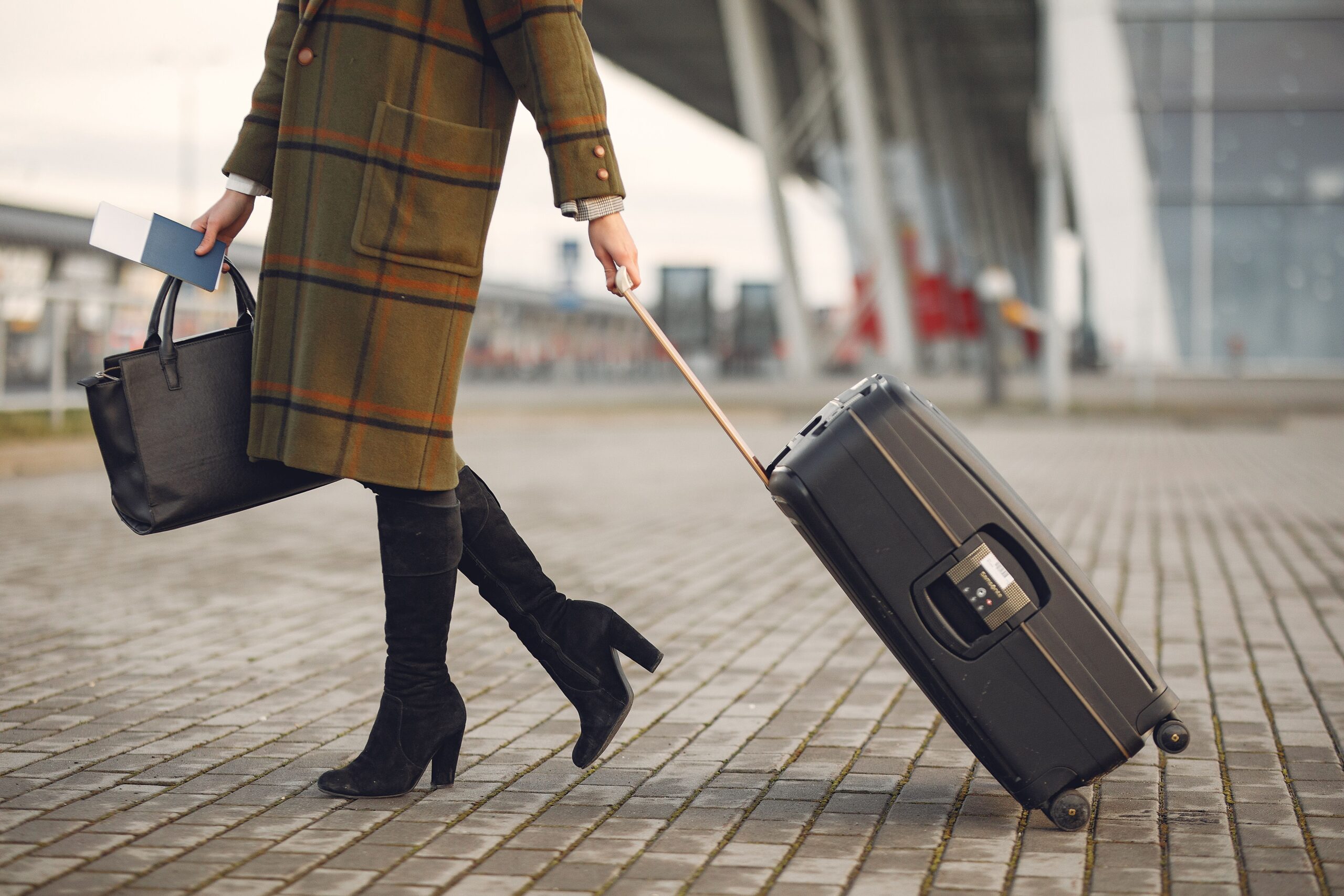
Before anything goes in, the bag itself matters more than most people think. A hard-shell spinner protects fragile items and rolls smoothly through airports, but a soft-structured bag flexes to fit into tighter overhead bins, which is useful on smaller regional planes where hard shells sometimes don't fit. Backpack-style carry-ons work better if you're navigating cobblestones, stairs, or public transit without elevators., whereas wheeled bags win everywhere else. Check the airline's exact carry-on dimensions before you buy. "Carry-on size" varies more between airlines than it should, and budget carriers, especially in Europe, are notoriously strict, sometimes charging steep fees for bags that would pass unnoticed on a major carrier. If you fly multiple airlines regularly, size your bag to the strictest one you use.
Footwear Strategy
Shoes are the single heaviest, most space-inefficient item most people over-pack. The rule of thumb: one pair worn, one pair packed, and a third only if a specific activity demands it, like hiking boots or dress shoes for one occasion. Stuff socks or small items inside your shoes to use dead space, and keep them in a shoe bag or shower cap to protect the rest of your clothing from the soles.
The Clothing Strategy
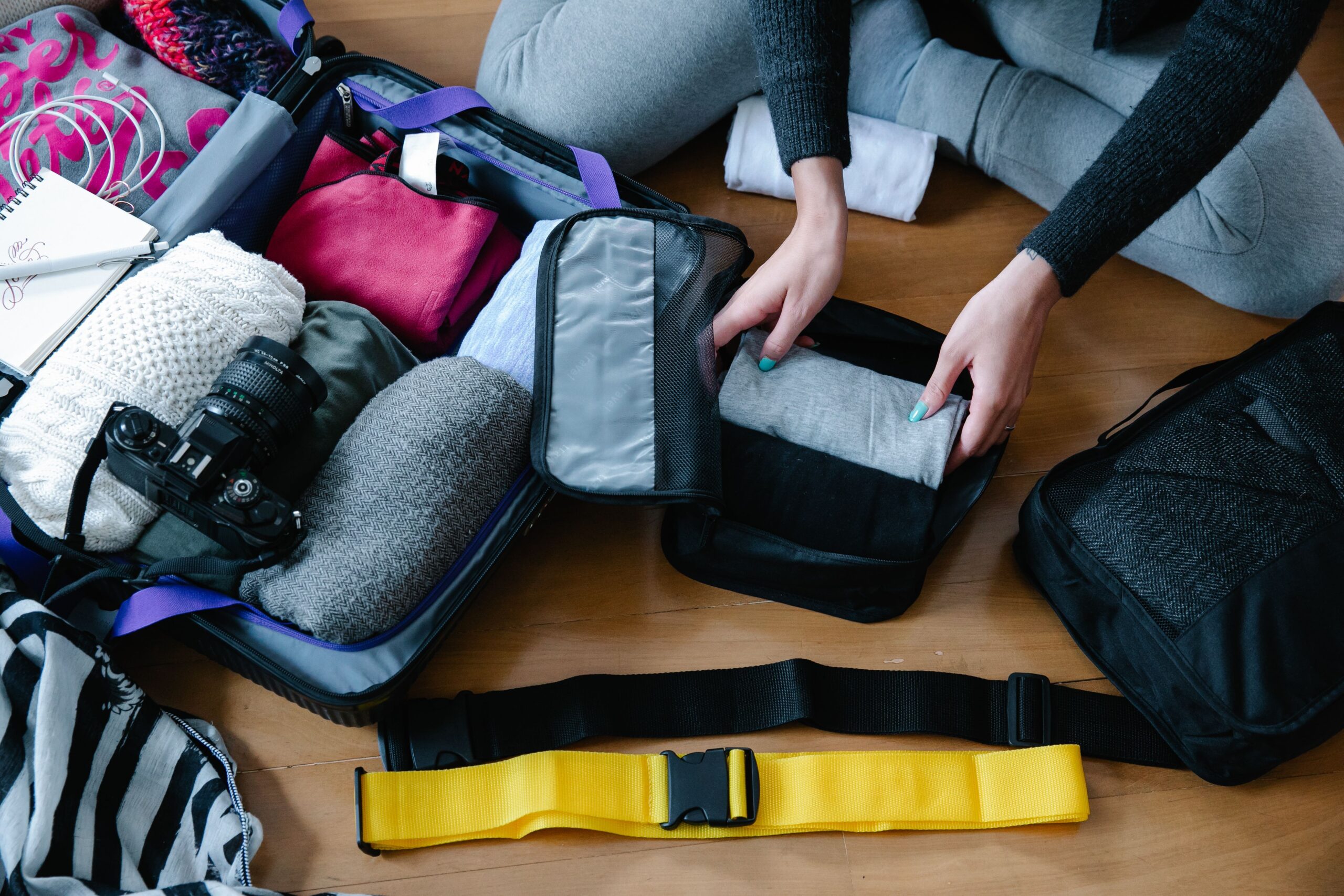
Build around a single color palette. Three neutrals plus one accent color means every top works with every bottom, cutting the number of pieces you need in half through sheer combinatorics. For a week-long trip, this typically means two bottoms, four to five tops, and one layering piece, worn in different combinations rather than as fixed outfits. Fabric choice matters as much as quantity. Merino wool and technical synthetics resist wrinkles and odor far longer than cotton, meaning fewer pieces do more work over more days. Roll rather than fold. Rolled clothing takes up less space and wrinkles less than you'd expect, especially with knits. Wear your bulkiest item on the plane, whether that's the coat, the boots, or the sweater, rather than packing it. It's uncomfortable for twenty minutes in a warm airport, but saves significant suitcase space for the entire trip.
Toiletries & Liquids
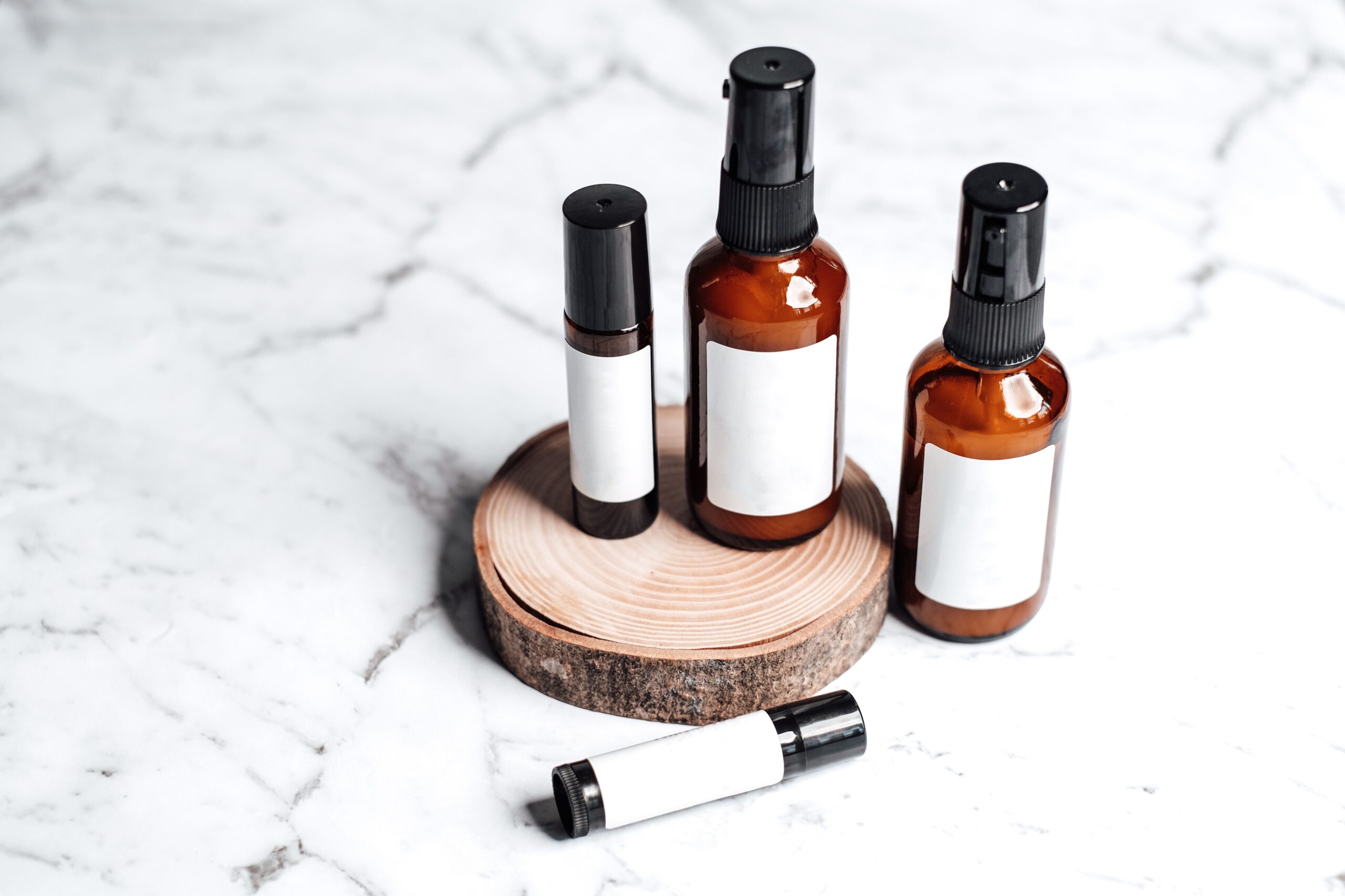
The 100ml liquid rule catches people every time, so it's worth planning around rather than discovering at security. Decant your essentials into reusable travel bottles rather than buying single use minis for every trip. It's better for your wallet and the planet over time. Solid alternatives, like shampoo bars, solid perfume, a solid stick deodorant, or solid laundry bars for longer trips, skip the liquids rule entirely and free up space in your quart bag for the things that don't have a solid version yet. For makeup, a multi use product (a cream that works as both blush and lip color, or an SPF moisturizer combo) does the job of two or three single purpose products. If you wear the same four or five products daily, don't pack backups. Most destinations have pharmacies if something runs out mid trip.
Tech Essentials
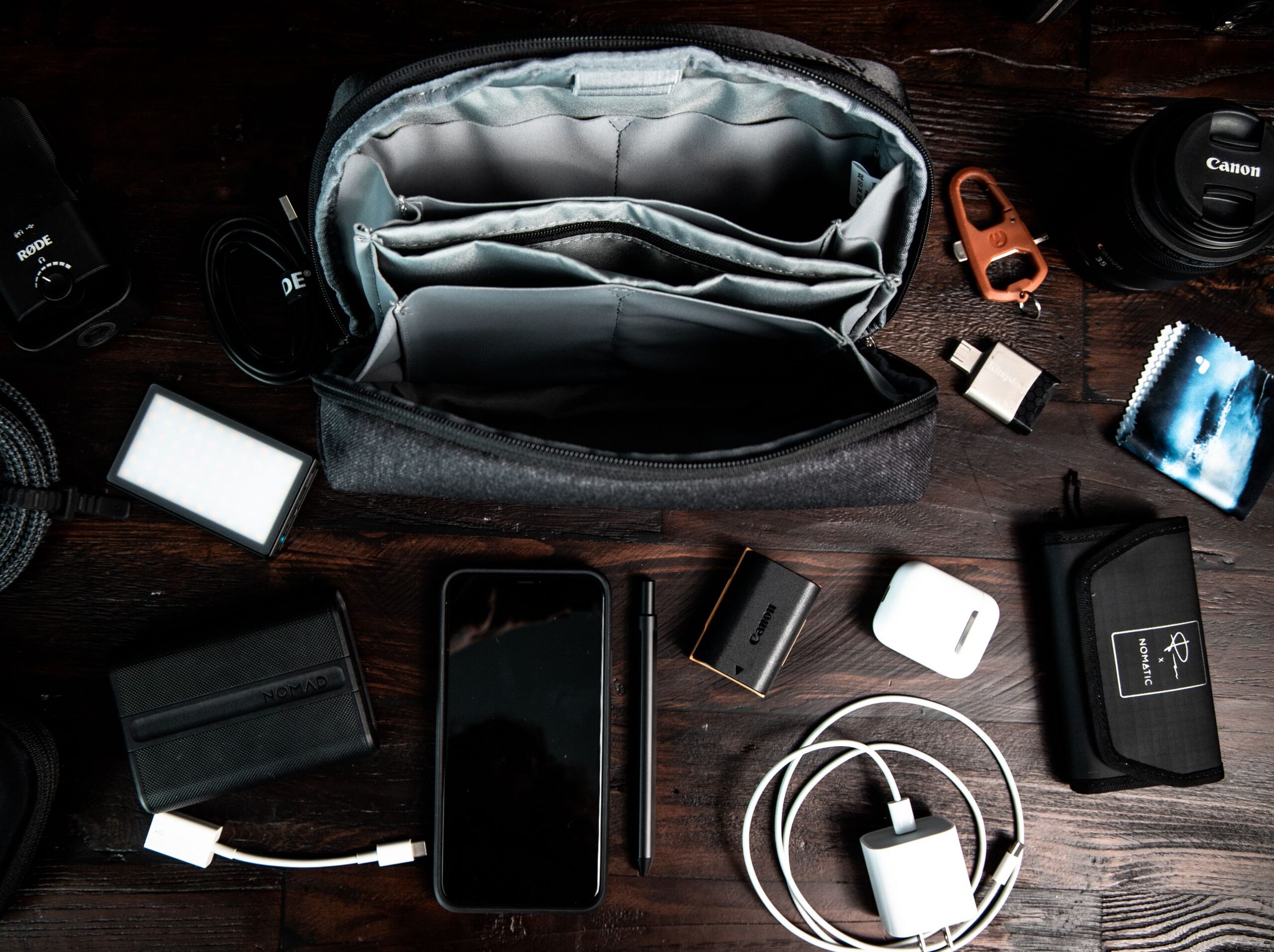
One universal adapter, one multi port charging cable, and a portable battery pack cover almost every device you're carrying. Keep all of it in a single dedicated pouch. The moment cables live loose in your bag is the moment you're untangling them at security while a line forms behind you. If you're traveling internationally, check your adapter covers the specific plug type and voltage range of your destination before you leave. Not all "universal" adapters actually convert voltage, only the plug shape, which matters for hair tools and other high wattage devices.
Documents & Money
Keep your passport, boarding pass, and any printed confirmations in one place you can access without opening your whole bag. A slim document wallet or your jacket's inside pocket both work. A backup card, stored separately from your main wallet, is worth the few extra grams of insurance if your primary card is ever lost or declined abroad. For international trips, a photo of your passport's information page, saved to your phone and emailed to yourself, is a low effort backup if the physical document is ever lost.
Comfort for the Flight
A few small items make a disproportionate difference on longer flights: a compressible travel pillow, earplugs or noise canceling headphones, and a lightweight scarf or wrap that doubles as a blanket when the cabin gets cold. None of these take up meaningful space, and all of them are the difference between landing exhausted and landing functional.
Packing by Trip Length
The core kit above works for three to five days without adjustment. For a full week, add one extra top and rely more heavily on laundry. Most destinations have a laundromat or hotel service, and a small packet of travel detergent sheets weighs almost nothing. For two weeks or longer, the honest answer is that you're doing laundry regardless of bag size, so the same carry-on works. You're just washing more often, not packing more.
Seasonal Adjustments
Winter trips are the real test of the one bag philosophy, since bulky sweaters and coats are the space eaters. Prioritize thin, warm layers, like merino base layers and a packable down jacket, over one heavy sweater, and wear the coat rather than pack it, always. Summer trips are naturally easier since lighter fabrics compress smaller and swimwear takes up almost no space, so the challenge shifts to sun protection items instead, like travel size SPF and a packable hat, rather than volume.
Common Mistakes to Avoid
The most frequent one is packing for a version of the trip you're imagining rather than the one you're actually taking. That "just in case" outfit for an event that probably won't happen is the first thing to cut. The second most common mistake is packing full size toiletries because you'll use them anyway. You will use less than you think over a week, and the weight adds up fast. Finally, resist buying a slightly too small carry-on to save space in your closet at home. A bag that doesn't actually fit your real trip needs gets overpacked and damaged at the zipper within a few trips.
How to Actually Pack It
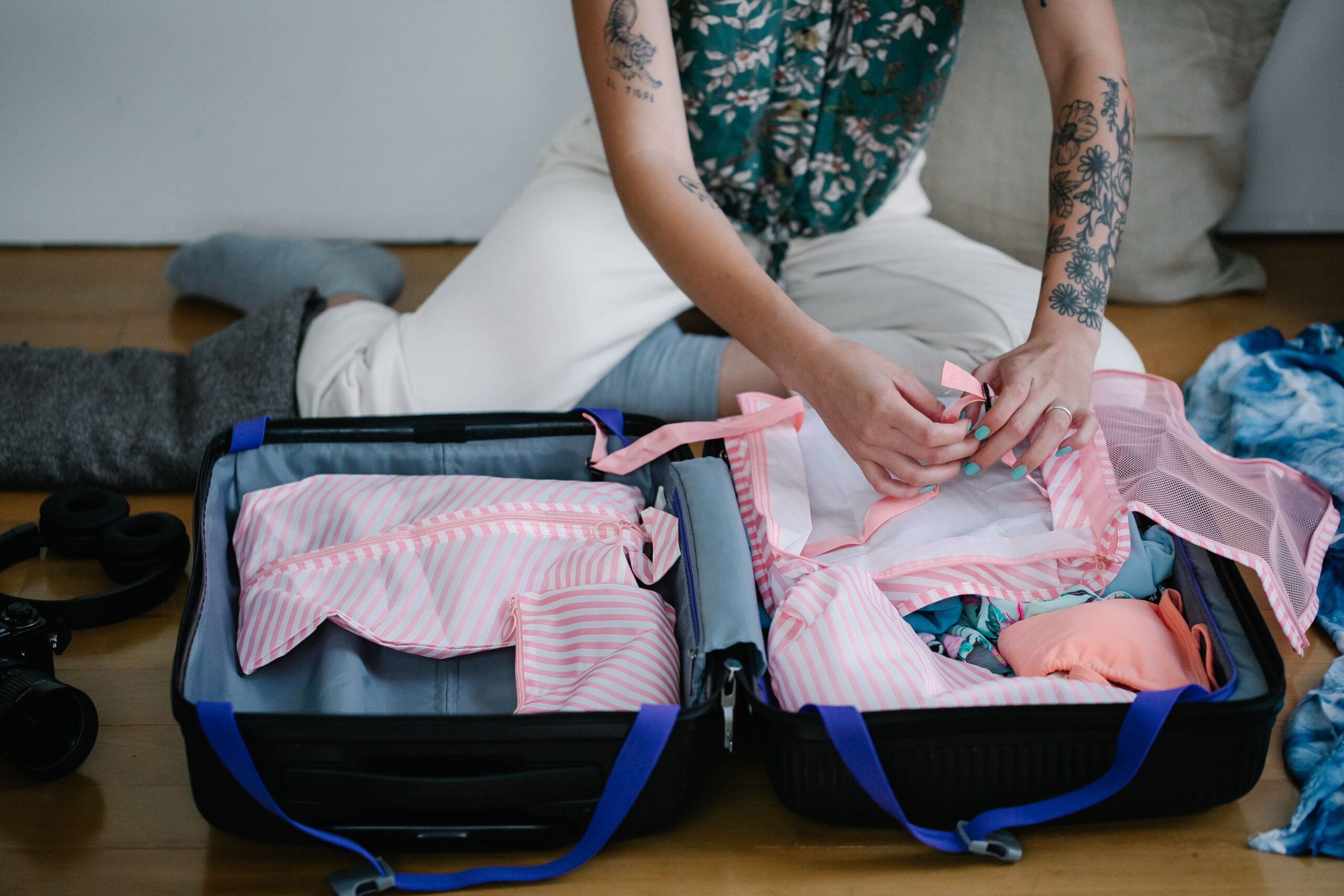
Layer heaviest items, like shoes and your toiletry bag, at the bottom near the wheels, clothing in the middle, and anything you'll need mid flight or at security, like your liquids bag or a layer for temperature changes, on top, where it's accessible without unpacking everything else. Packing cubes aren't essential, but they make the difference between a bag you can repack in two minutes and one you're wrestling with in a hotel room at 6am. One cube for tops, one for bottoms, one for underwear and socks keeps everything findable without a full unpack.
